
Why Your MVP Isn't Enough: The Case for Minimum Lovable Products
You’ve heard it a thousand times: “Ship fast. Break things. Launch an MVP.”
But here’s what nobody tells you—launching a barely functional product might get you to market quickly, but it won’t get you customers who actually care.
Most startups crash and burn not because their tech doesn’t work, but because they never achieve product-market fit. Another massive chunk fails because users simply… don’t connect. They use your product once, shrug, and move on to the next shiny thing.
I’ve built products for startups that needed to validate ideas fast. I’ve also seen the ones that survived past that critical first year. The difference? They didn’t just build something functional—they built something people fell for.
The MVP Mindset: Necessary, But Not Sufficient
Let’s be real about what an MVP actually is: it’s the absolute minimum version of your product that can prove your concept works. It’s cat food—technically edible, but you’re not coming back for seconds.
MVPs are brilliant for:
- Testing if your core assumption is correct
- Validating that people will actually use what you’re building
- Getting something out there before burning through your runway
But in today’s crowded market? An MVP alone is like showing up to a first date in sweatpants. Sure, you showed up. But did you make an impression?
Enter the Minimum Lovable Product
The Minimum Lovable Product isn’t some new framework that just dropped. It’s been around since the early days when people realized “functional” wasn’t cutting it anymore. The whole point? Get customers to say “This is brilliant!” rather than just “Well, it works.”
An MLP isn’t about adding every bell and whistle. It’s about taking those core features your MVP would have and making them feel good to use.
Think about it:
- Instagram didn’t launch with all the filters and features it has today, but the photo-sharing experience was buttery smooth and visually gorgeous from day one
- Airbnb could’ve been just a listing site, but they invested in high-quality photos and seamless booking from the start
- Linear built project management software in a market full of established players, but their attention to design and user experience created a cult following
These weren’t just functional—they were delightful.
Why This Matters More Than Ever
The startup graveyard is full of products that technically worked. Most new ventures don’t make it, and a huge portion fail because of product-market fit issues. You need every advantage you can get.
Here’s what an MLP gives you that an MVP doesn’t:
Word-of-mouth rocket fuel: People don’t tell their friends about products they tolerate. They rave about products they love. When someone genuinely enjoys using your product, they become your marketing team.
Lower churn from day one: Products that users love generate organic growth through word-of-mouth. If your first impression is “meh,” you’ve already lost them. Getting users to love your product from the start means they stick around while you iterate.
Emotional moat: In competitive markets, functionality alone won’t save you. When users emotionally connect with your product, they’re far less likely to switch—even when alternatives pop up with similar features.
Should You Build an MVP or MLP?
Not sure which approach fits your situation? Use this calculator to get a recommendation based on your specific circumstances.
MVP vs MLP Calculator
Recommendation
MVP (Minimum Viable Product)
Speed is your priority. You are likely in a new market or have severe constraints. Focus on functional validation of your core hypothesis.
The Reality Check: MLP ≠ Building Everything
I get it. You’re thinking: “This sounds expensive. I don’t have time for this.”
Here’s the thing—an MLP isn’t about building more features. It’s about building the right features really well.
Consider the difference:
MVP approach: Add login, basic dashboard, core functionality. Ship it. Works? Great. Doesn’t work? Pivot.
MLP approach: Add login (but make it smooth with clear error messages), basic dashboard (but actually design it so users know what they’re looking at), core functionality (but test it until it feels intuitive). Ship it. Works AND people enjoy it? Scale. Doesn’t work? At least you got quality feedback from engaged users.
The extra effort isn’t doubling your timeline—it’s about being intentional with the time you already have.
Prioritize Like a Pro
One of the hardest parts of building an MLP is deciding which features deserve that extra polish. Use this framework to help prioritize your features based on impact and effort.
Feature Priority Matrix
Map your features to see what builds the "Lovable" core.
Add Feature
When to Build an MLP vs MVP
Not every product needs to be lovable from day one. Here’s how I think about it:
Go MVP when:
- You’re testing something completely new with zero competition
- Your target users are extremely forgiving early adopters
- You literally need proof-of-concept before anything else
- You’re in a “race to market” situation
Go MLP when:
- You’re entering a crowded market (which, let’s be honest, is most markets now)
- User experience is a key differentiator in your space
- You need users to stick around long enough to give meaningful feedback
- You want to position yourself as a disruptor in saturated markets where brand and user experience matter for stealing customers from entrenched competitors
The Build-In-Public Advantage
One thing I’ve noticed with MLPs: they’re perfect for the “build in public” movement. When you’re creating something people can get excited about—even in its early stages—they want to follow along.
Your early adopters become invested. They’re not just testing a buggy product; they’re part of a journey with something they already enjoy using. This creates:
- A community before you’ve even officially launched
- Valuable feedback from people who want your product to succeed
- Built-in marketing from users who are genuinely excited
Typical Product Development Timeline
Curious about how MVP and MLP timelines compare? Here’s what a typical product development journey looks like for both approaches.
Development Timeline Comparison
The MVP Path
Focus: Efficiency & speed. Risk: High churn due to poor first impression.
The MLP Path
Focus: Quality & connection. Benefit: Organic growth and higher retention.
My Framework for Building MLPs Fast
After building products like Komentiq and RetailEaze, here’s my approach to creating MLPs without getting stuck in development hell:
Identify the emotional moment: What’s the one interaction where users should think “wow, this is nice”? For a design tool, it might be the first time they see their work rendered beautifully. For an e-commerce platform, it could be how smooth the checkout flow feels.
Nail your core workflow: Pick the main user journey and make it feel effortless. Ignore the edge cases for now. Make the happy path really happy.
Design isn’t decoration: Using Tailwind CSS and modern UI frameworks isn’t about making things pretty—it’s about reducing cognitive load. When your interface is clean and intuitive, users don’t have to think. That’s what makes products lovable.
Micro-interactions matter: Loading states, smooth transitions, helpful error messages—these details signal that someone actually cares about the experience. They take minimal extra time but completely change how the product feels.
Ship and iterate, but start higher: You’re still moving fast. You’re still iterating. You’re just starting from a place of “people enjoy this” instead of “people can technically use this.”
The Uncomfortable Truth
Building an MLP requires more upfront thought. It means actually talking to users before you build. It means making design decisions early. It means saying no to features that don’t serve the core experience.
But here’s what I’ve learned working with startups: the time you “save” by building a bare-bones MVP often gets eaten up trying to fix first impressions, win back users who churned, or compete purely on features because you have no other differentiator.
Investors increasingly want proof of the “wow-effect” to determine if a product has reached MLP level, looking for passionate advocates actively engaged with the product.
For Founders Reading This
If you’re building something new, you don’t have to choose between speed and quality. You have to choose between building something people can use and building something people want to use.
The market is too crowded for “good enough.” Users have too many options. Attention spans are too short.
Your MVP proves your idea works. Your MLP proves people actually give a damn.
And in a world where most startups fail, that difference might be the only one that matters.
Building your first product and not sure whether to go MVP or MLP? I work with ambitious founders to turn ideas into products people actually love. Let’s talk about what makes sense for your specific situation—sometimes it’s an MVP, sometimes it’s an MLP, and sometimes it’s something in between. The goal is always the same: get to market smart, not just fast.
turn your product into content that clicks.
ravah turns your product knowledge and weekly progress into authentic social content — no re-explaining, no templates. set up once, post every week.
More Posts
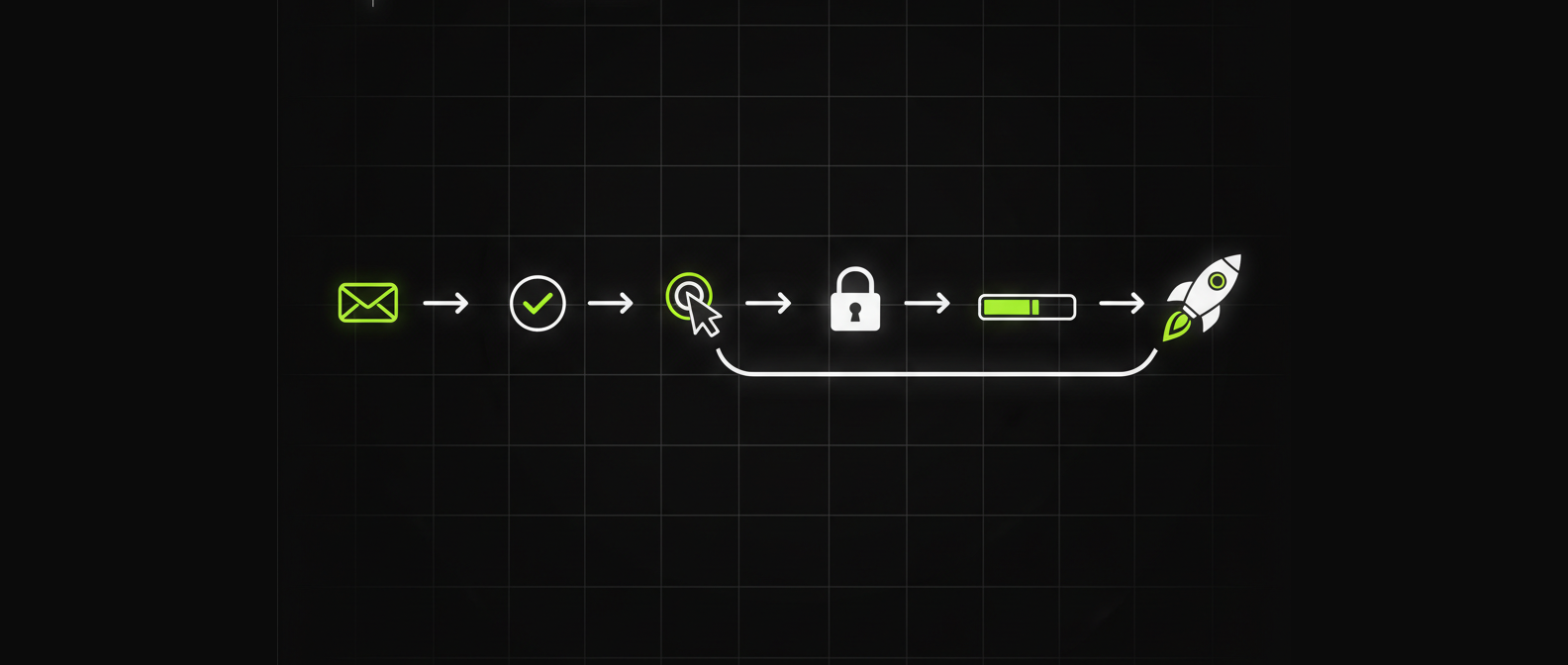
How We Built a Tracked Email Funnel with PostHog + Supabase
A technical deep-dive into building a lifecycle email system where every send, delivery, and bounce is observable end-to-end using Supabase Edge Functions, Resend, and PostHog.
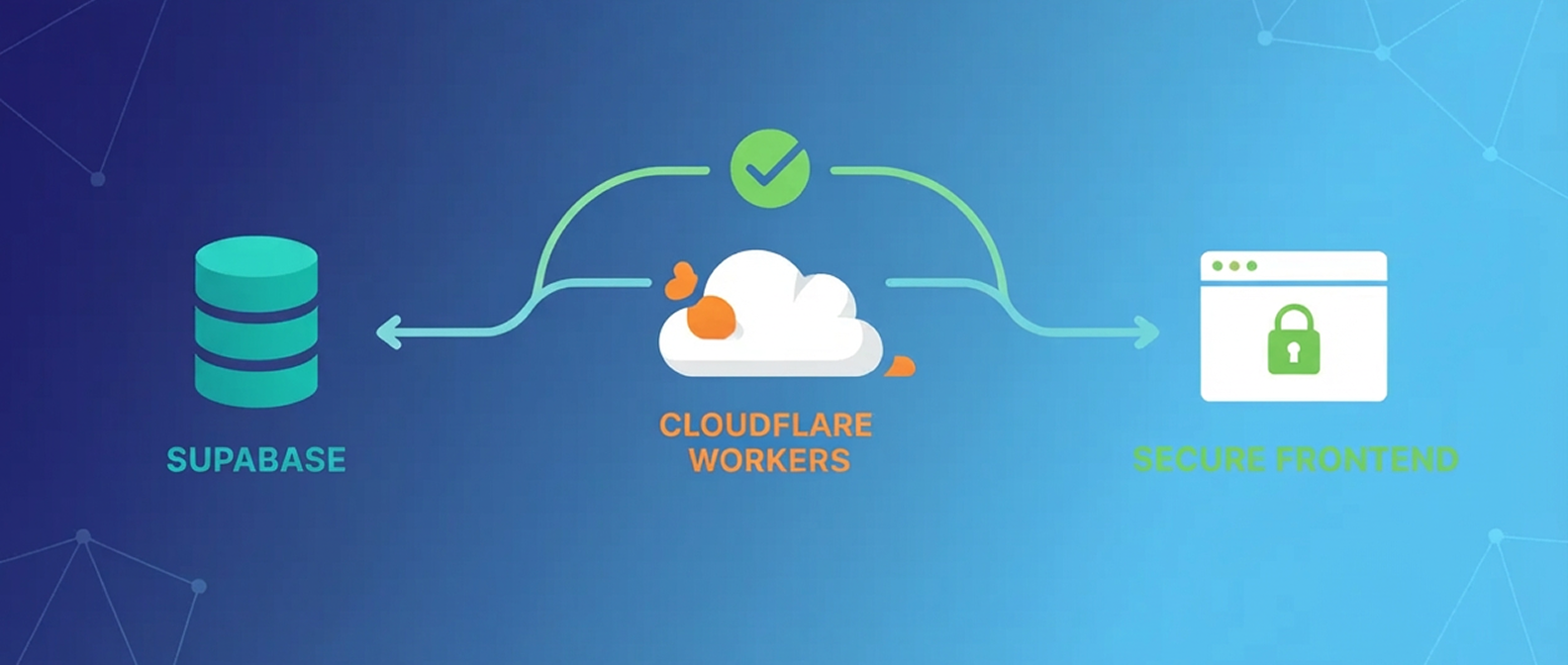
How I Fixed Google's Red Warning on Supabase Password Reset Links
Google flagging your Supabase auth links? Here's how I used a simple Cloudflare Worker to fix password reset warnings without upgrading plans or compromising security.

